The mangrove and bolongs of Casamance: a vital ecosystem and the challenge of preserving it
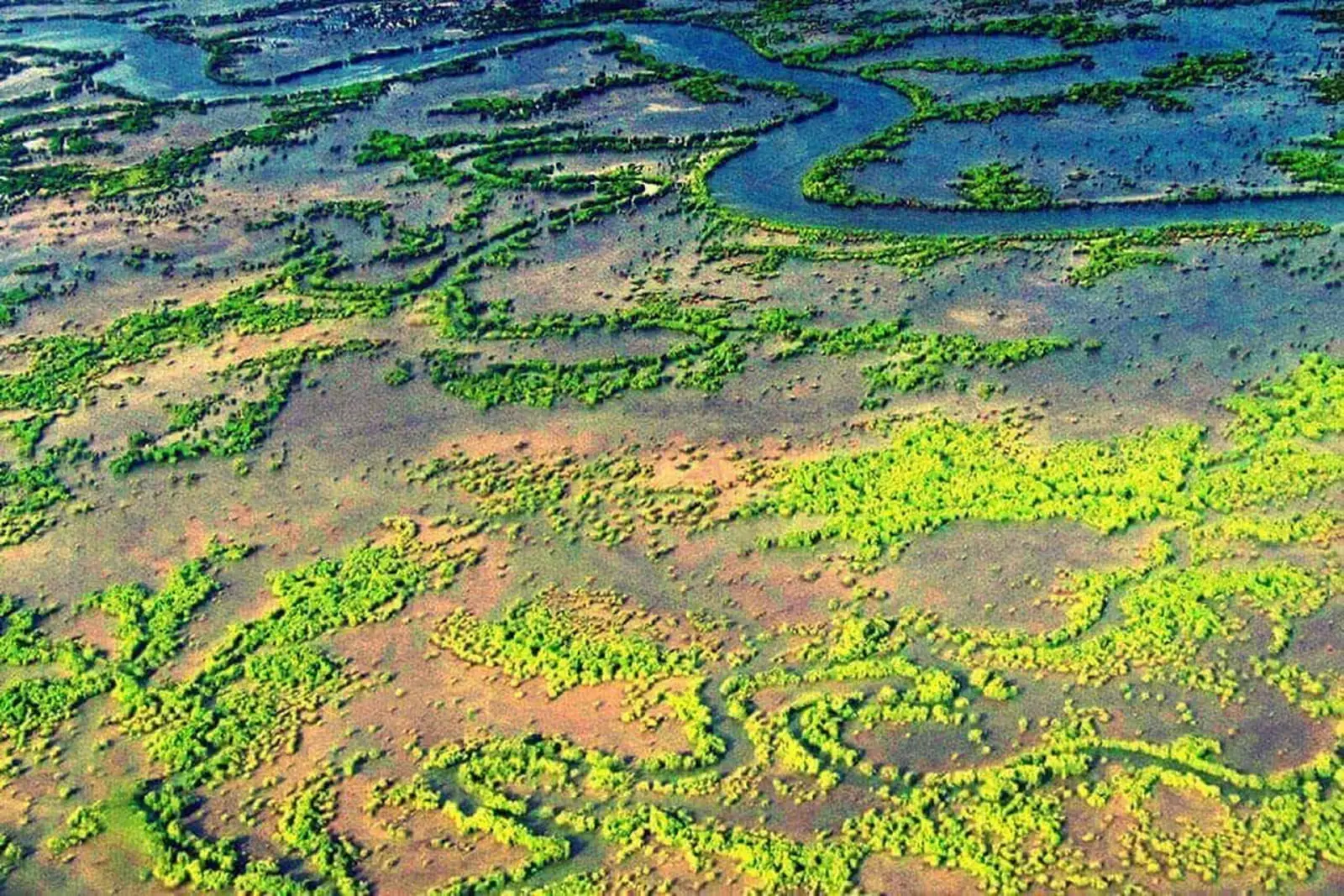
A true green lung of southern Senegal, the Casamance mangrove is an essential amphibious ecosystem. Lining the maze of bolongs — those tidal arms of the sea — and made up mainly of mangrove trees (Rhizophora and Avicennia), it acts as a buffer against coastal erosion, forms a vital nursery for marine life and represents a major carbon sink. Despite a recent regeneration trend, this ecosystem remains extremely vulnerable, facing growing pressures that are both climatic and human. This feature takes stock of it, from its biodiversity to the threats it faces, through to the restoration techniques that are restoring hope.
Understanding the fragility and importance of this aquatic labyrinth is essential for any visitor mindful of their impact. While exploring the bolongs is an unmissable experience, Casamance is brimming with many other wonders. To help you plan your trip and broaden your horizons, dive into our comprehensive guide to Casamance—an essential travel companion for an authentic adventure.
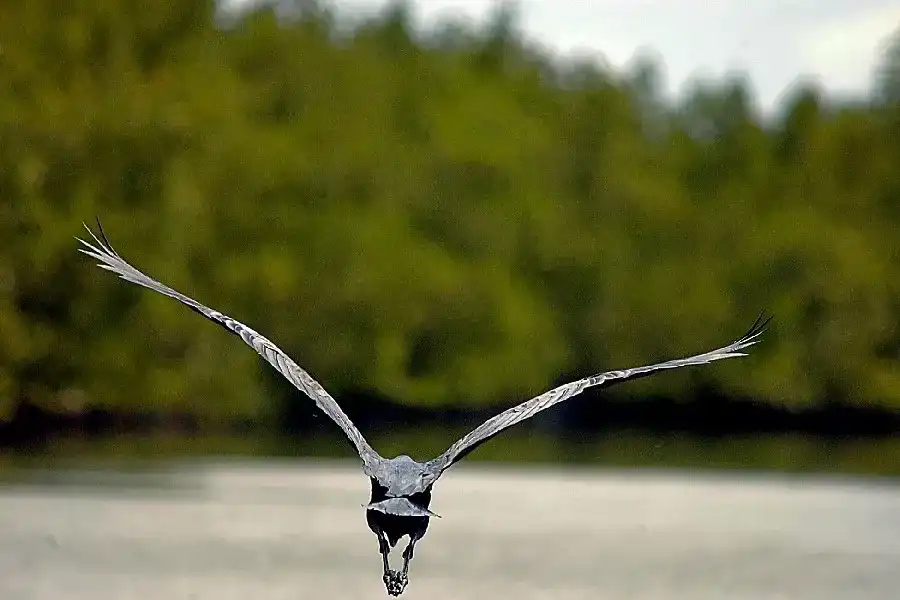 Plan your tripWhen to visit Casamance?Climate, sea and wind month by month in Cap Skirring: pick the season that suits youSee the monthly guide →
Mangrove species and the zoning of the estuary
The Casamance mangrove is made up mainly of three mangrove species, each occupying a specific zone of the estuary — the zonation — according to salinity and how long it stays submerged.
Rhizophora mangle, the red mangrove
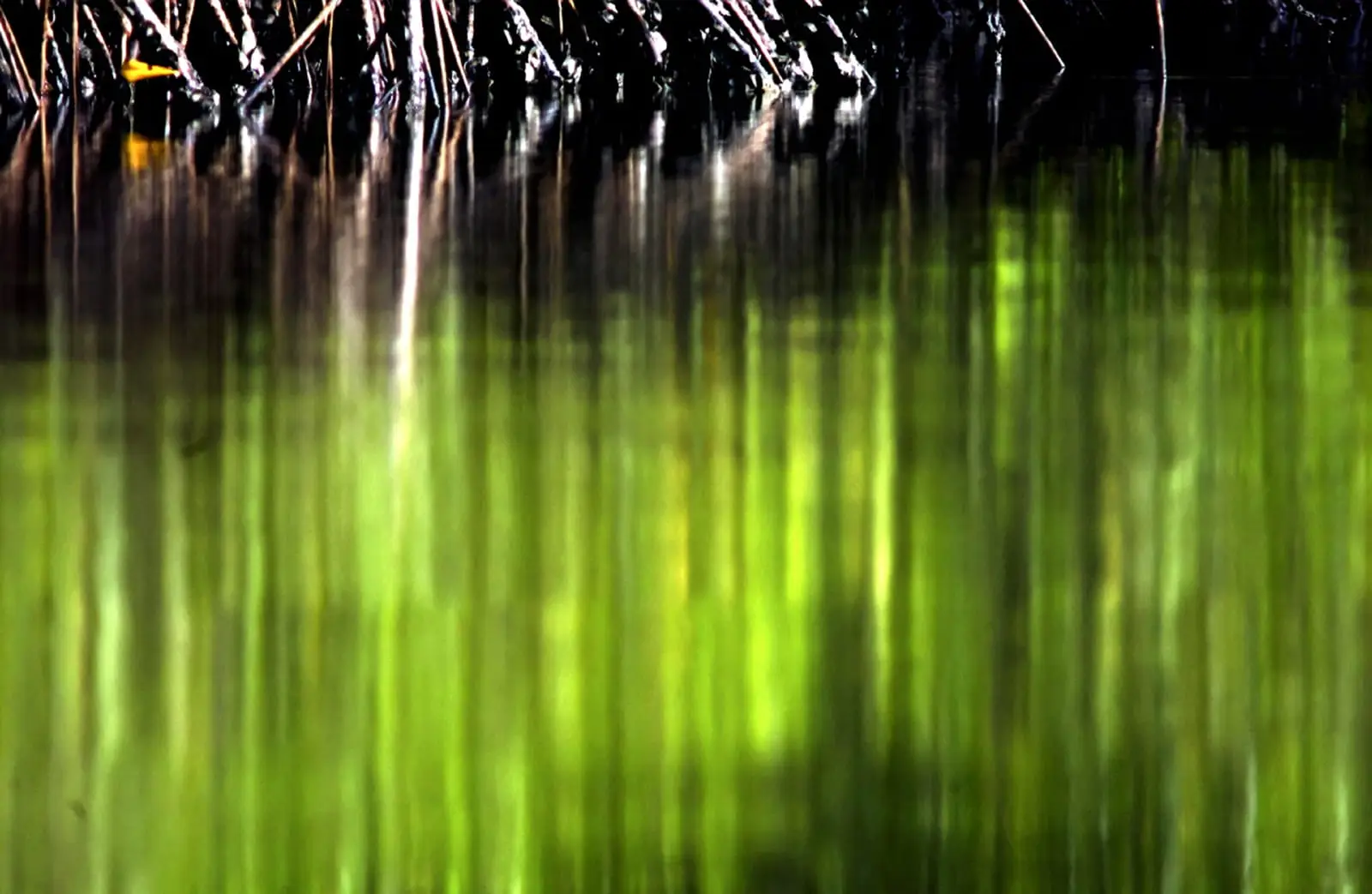
A pioneer species and the most emblematic of all, recognisable by its spectacular stilt roots plunging into the mud. It grows on the front line, in daily contact with the water.
Rhizophora racemosa
Very close to the previous species, it tolerates slightly less salty water and grows further upstream in the estuaries, sometimes reaching impressive sizes.
Avicennia germinans, the black mangrove
Set further back, in the higher and saltier areas (close to the tannes), it has no stilt roots but a network of pneumatophores: vertical roots that point out of the mud like tubes to draw oxygen from the air at low tide.
Together, these mangroves trap sediment, filter brackish water, hold the coastline in place and store carbon on a massive scale — one of the most efficient « blue carbon » sinks on the planet. Above all, their tangle of roots offers an irreplaceable nursery for juvenile fish, shrimp and oysters.
The main threats
The degradation of the Casamance mangrove began with the great drought cycles of the 1970s and 1980s, but today's threats are mostly linked to human activity.
Hyper-salinisation and climate
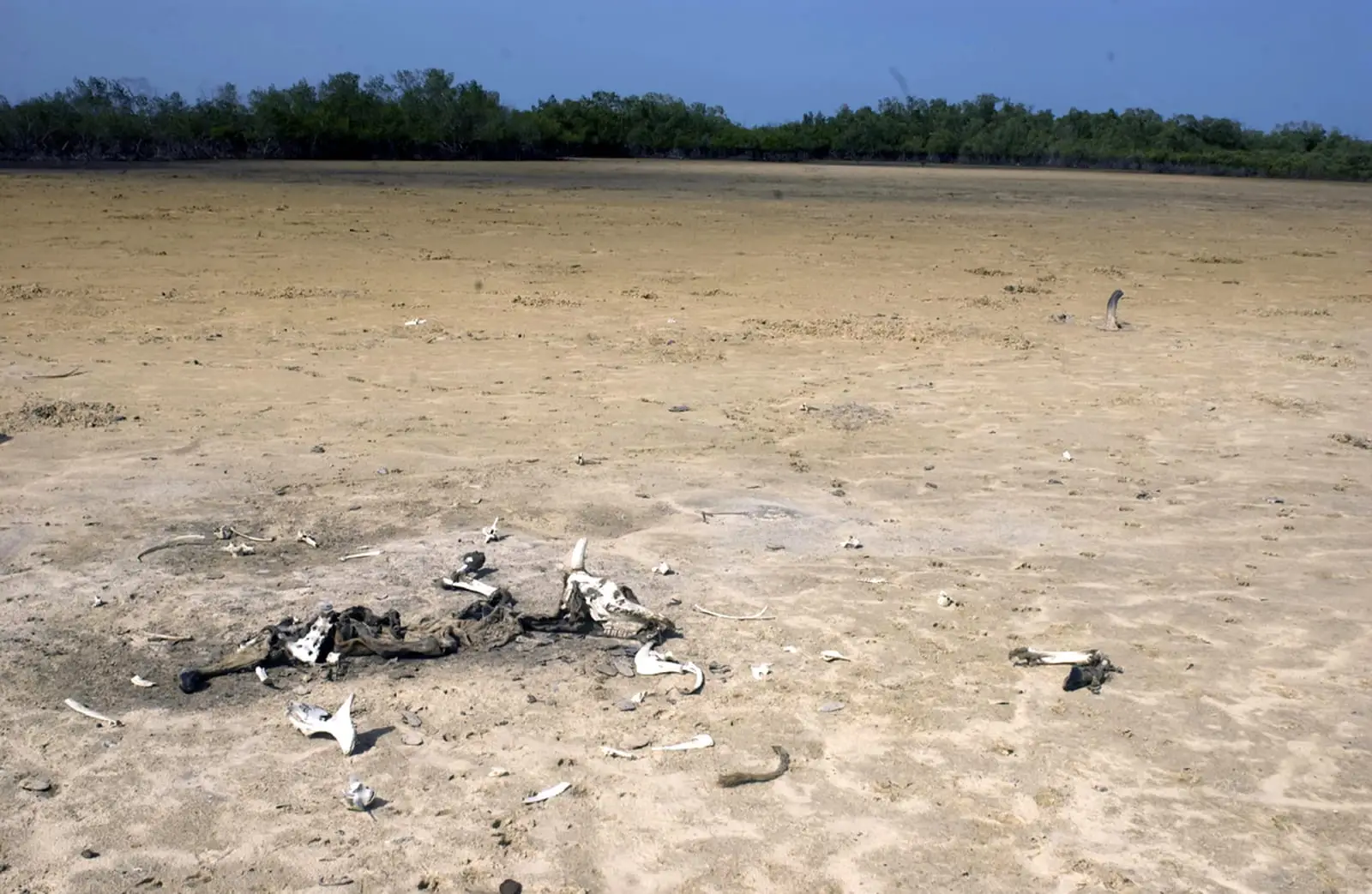
The historic decline in rainfall, combined with strong evaporation, has caused extreme salinisation of the Casamance river waters and acidification of the soils. The result is the formation of tannes, those vast bare, over-salted expanses where vegetation dies.
Overexploitation of wood
Mangrove wood is hard, dense and termite-resistant. For a long time it was cut on a massive scale as firewood — notably for smoking fish — and as construction timber; traditionally it was also used for the ceilings of Jola houses, particularly impluvium houses. Carried out by directly mutilating roots and branches, and above all driven by charcoal production, this cutting has ravaged entire stretches of mangrove. That is why cutting mangrove trees — like the traditional use of their wood for frames and ceilings — is now formally banned, even though illegal cutting persists.
Destructive oyster-harvesting practices
Traditional oyster harvesting, since the oysters cling to the stilt roots of the mangroves, still too often ends with the roots simply being cut off, which weakens or kills the tree.
Urban sprawl and infrastructure
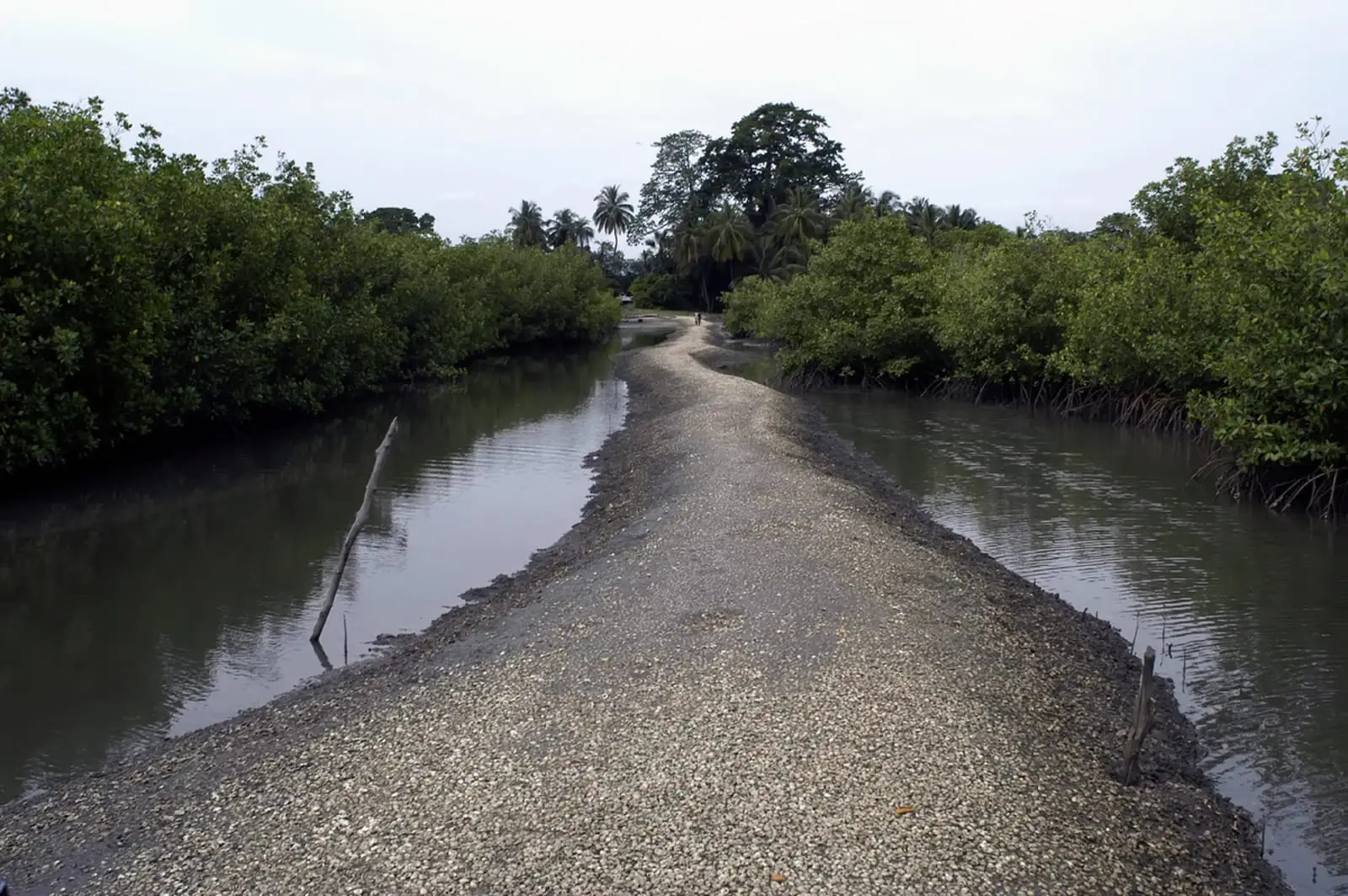
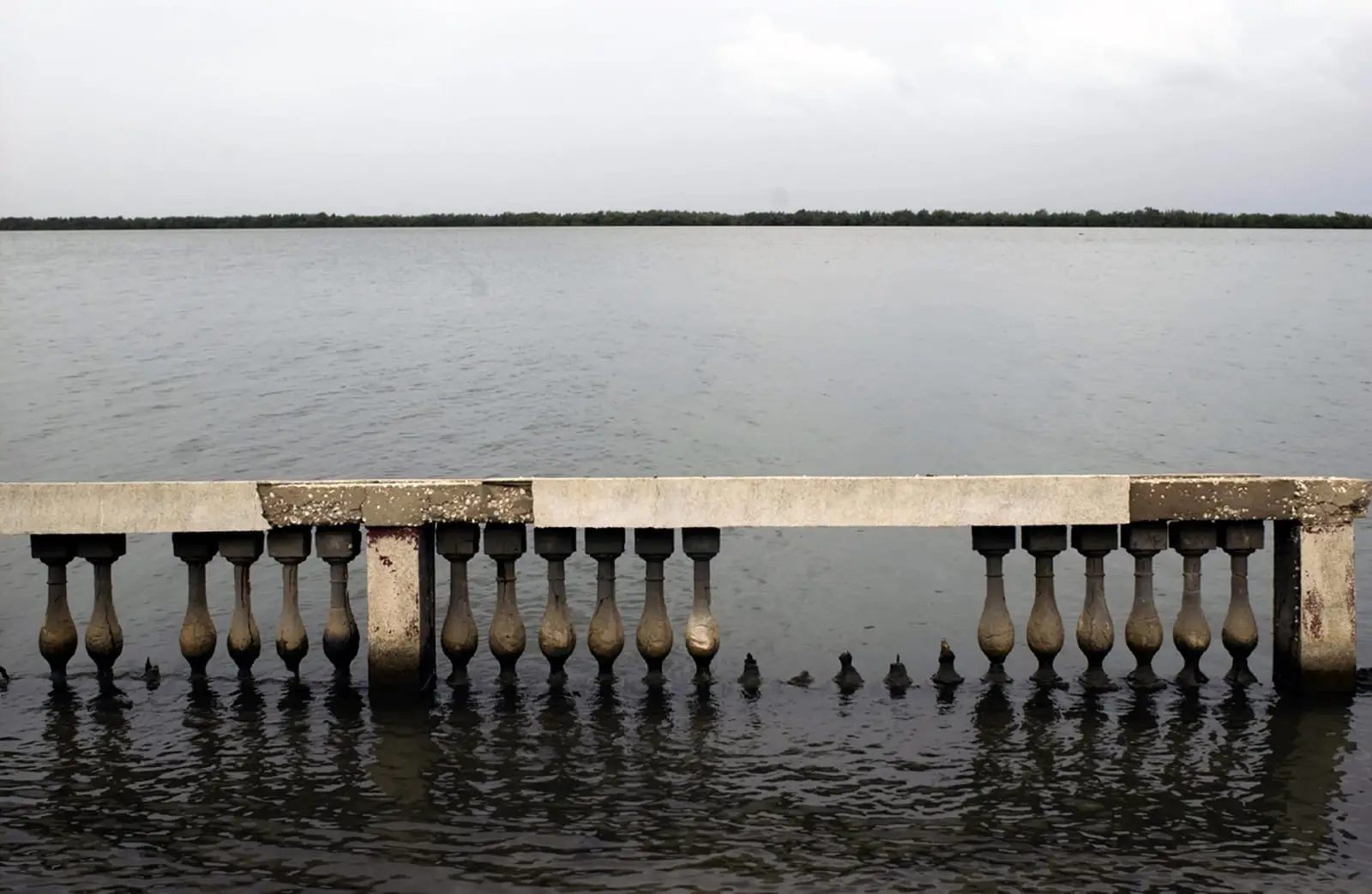
Demographic pressure around towns such as Ziguinchor is eating into peri-urban mangrove areas. At the same time, poorly designed infrastructure — certain bridges or anti-salt dams — has altered the natural hydrodynamics of the estuary, encouraging silting and blocking the regulating flow of the tides.
Ecological and socio-economic consequences
The loss of mangrove cover triggers a chain reaction that directly affects local communities, particularly the Jola, whose culture and economy are intimately bound up with it.
| Impact | Concrete consequences on the ground |
|---|---|
| Collapse of fish stocks | As the mangrove serves as a spawning ground, its destruction makes fish, shrimp and oysters scarcer. This hits hard the income of women, who handle processing and selling — a role we set out in our feature on fishing in Casamance. |
| A threat to rice growing | The erosion of the natural mangrove barrier lets salt water seep inland. The traditional rice paddies, laid out behind the mangrove, are eaten away by salt and then abandoned. |
| Worsening coastal erosion | On the Atlantic coast and in the estuary islands (Carabane, Diembéring), the sea is advancing alarmingly. No longer slowed by the forest, the waves tear away the banks and directly threaten homes. |
Regeneration and sustainable management
Since the early 2000s, there has been a genuine awakening. Thanks to large-scale replanting campaigns led by local communities and NGOs such as Océanium de Dakar, the trend has reversed locally: satellite images now show a slight overall increase in mangrove cover in areas such as Oussouye and Énampore.
But replanting is not enough unless it is coupled with sustainable management. Top-down projects sometimes meet a lack of social acceptance. The challenge now is to give economic value to standing mangrove — through ecotourism or REDD+ carbon finance — and to train local people in non-destructive oyster harvesting methods, such as collector garlands.
Community replanting techniques
The success of restoration campaigns rests on a fine understanding of local flora and on forestry techniques adapted to the rhythm of the tides. The most widespread and effective method is direct sowing of Rhizophora propagules. Propagules are the tree's dispersal organs, shaped like long green candles; already germinated while still on the tree, they are harvested when ripe by villagers, often organised into watch committees.
During the rainy season (the rainy season), volunteers wade into the mud at low tide to plant these propagules vertically, two thirds deep, in the soft sediment. The success rate is high, as the plant roots very quickly before the following tides can dislodge it. For Avicennia, whose seeds are small and flat like beans, the preferred approach is protective enclosure — shielding degraded areas so nature can do the work — together with restoring freshwater circulation to wash excess salt out of the soil.
Exploring the bolongs by pirogue, safely
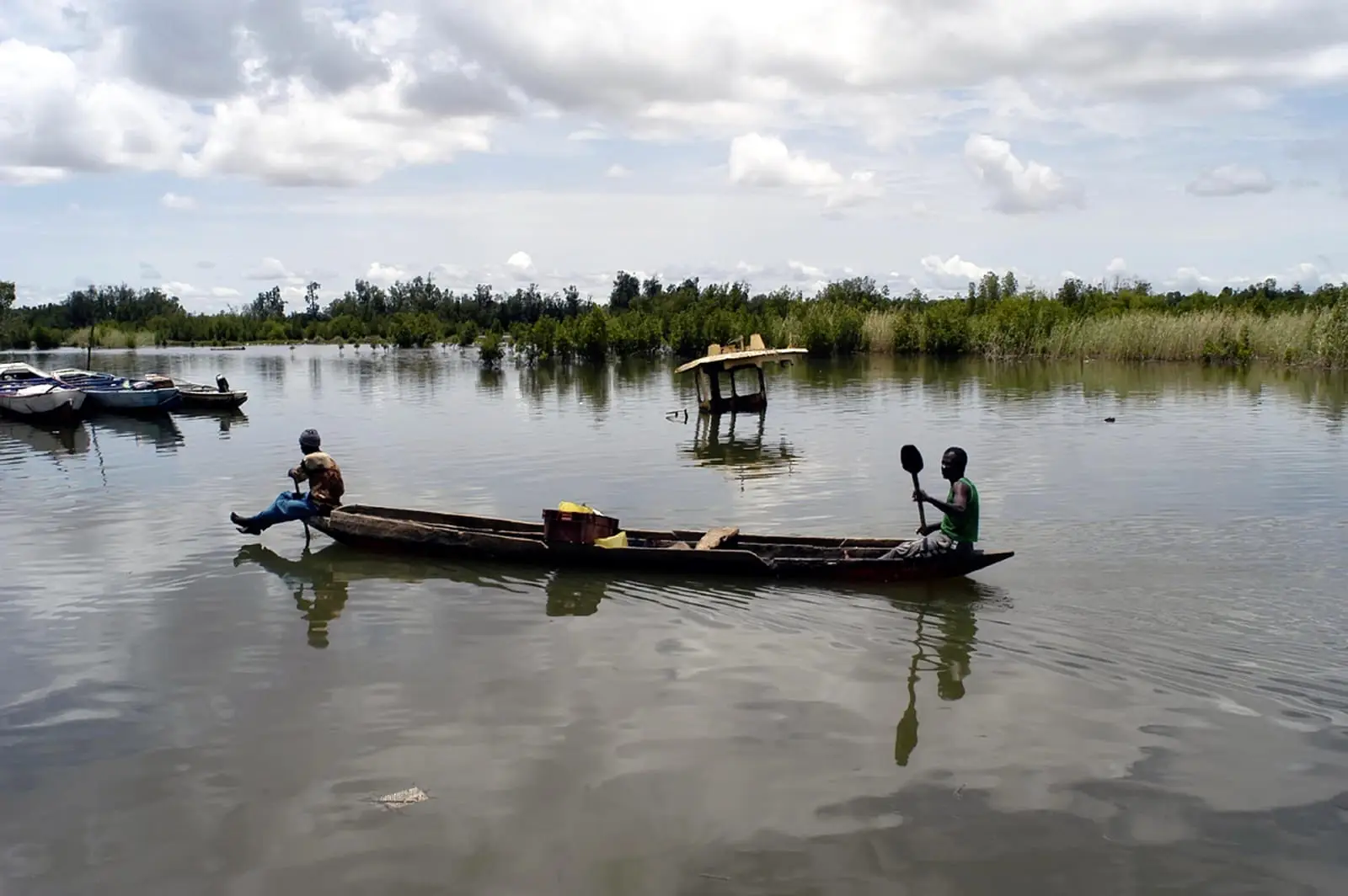
These challenges are part of the wider picture of ecological protection in Casamance. Understanding the mangrove cannot be improvised: navigating the bolongs demands a fine knowledge of the tides and the channels. That is why we have documented several Casamance discovery itineraries, designed as respectful ecological immersions. These pirogue outings make it possible to grasp the mangrove and its vital role without ever compromising the fragile balance of the habitat.
To travel the bolongs between mangrove and rice paddies, choose our excursions to Affiniam (an hour by pirogue with a guide), Niomoune (two days on the water) or Boudédiète, where the pirogue follows the bolong down to its mouth. Depending on the outing, you also see water birds, including pelicans, notably on the excursion to Carabane. Find more footage from Casamance in our excursion videos in Casamance.
🌿 The Mangrove Calendar of Casamance
The ecosystem of the bolongs and the amphibious biodiversity of Casamance
From November to January in Casamance
After the rainy season, the dry season gradually sets in and the bolongs return to saltier water. The red mangroves (Rhizophora racemosa, Rhizophora mangle and Rhizophora harrisonii) line the tidal channels, while the black mangroves (Avicennia germinans) occupy more of the higher, less frequently flooded areas. Their roots and pneumatophores structure a particularly rich habitat for fish, crustaceans and molluscs.
In the bolongs, aquatic life remains very active. The blackchin tilapia (Sarotherodon melanotheron), the mullets, the bonga shad (Ethmalosa fimbriata), the sea catfish (Carlarius spp.), the croakers (Pseudotolithus spp.) and various estuarine fish frequent the channels and mangrove edges. Scientific surveys carried out in the Niamone-Kalounayes marine protected area show a high diversity in December in particular, with 27 fish species recorded during the month.
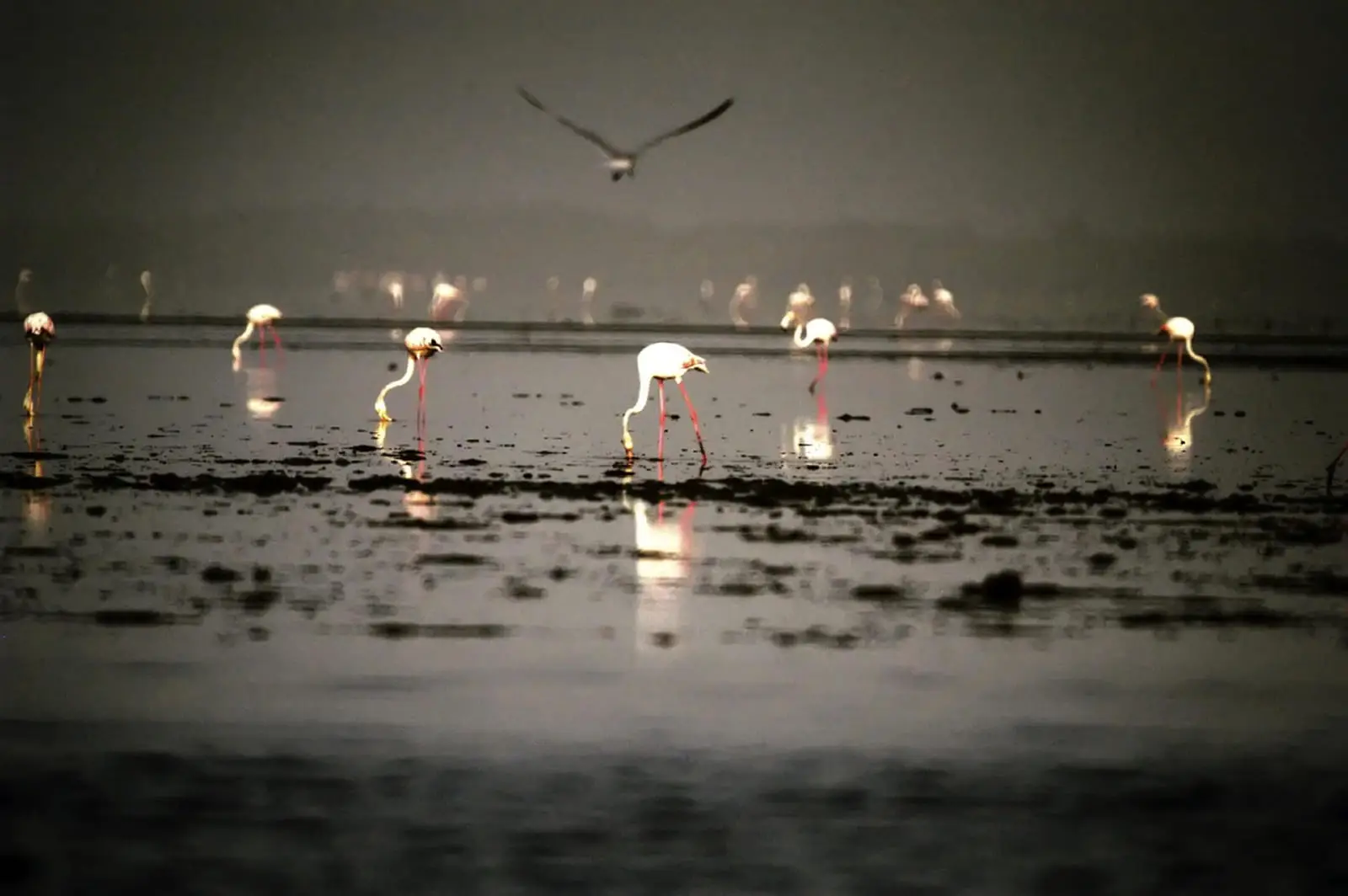
At low tide, the mudflats reveal the fiddler crabs (Uca tangeri), the mudskippers (Periophthalmus barbarus) and many intertidal invertebrates. On the mangrove roots, the mangrove oysters (Crassostrea gasar) continue to grow. The mudflats, channels and sandbanks are also important feeding areas for the herons, egrets, pelicans, terns and other waterbirds of Casamance.
From February to April in Casamance
The dry season heightens evaporation and the salinity contrasts between the different sectors of the estuary. At low tide, the mudflats and salt flats (tannes) become particularly visible. The fiddler crabs (Uca tangeri) occupy the exposed muddy areas, while the mudskippers (Periophthalmus barbarus) move between the mud and the small channels. The pneumatophores of the Avicennia then emerge clearly from the mud, testifying to the remarkable adaptation of the mangroves to soils regularly deprived of oxygen.
Estuarine fish remain at the heart of the bolongs' biodiversity: blackchin tilapia (Sarotherodon melanotheron), guinean tilapia (Coptodon guineensis), mullets (Mugil and Chelon spp.), sea catfish (Carlarius spp.), bonga shad (Ethmalosa fimbriata), guachanche barracuda (Sphyraena afra) and several croaker species (Pseudotolithus spp.) use the channels and mangrove edges.
The monthly surveys of Niamone-Kalounayes nonetheless show a clearly marked seasonal evolution: in March and April, the giant African threadfin (Polydactylus quadrifilis), the mullet (Parachelon grandisquamis), the guachanche barracuda (Sphyraena afra) and Hemichromis fasciatus are among the species associated with the most abundant assemblages.
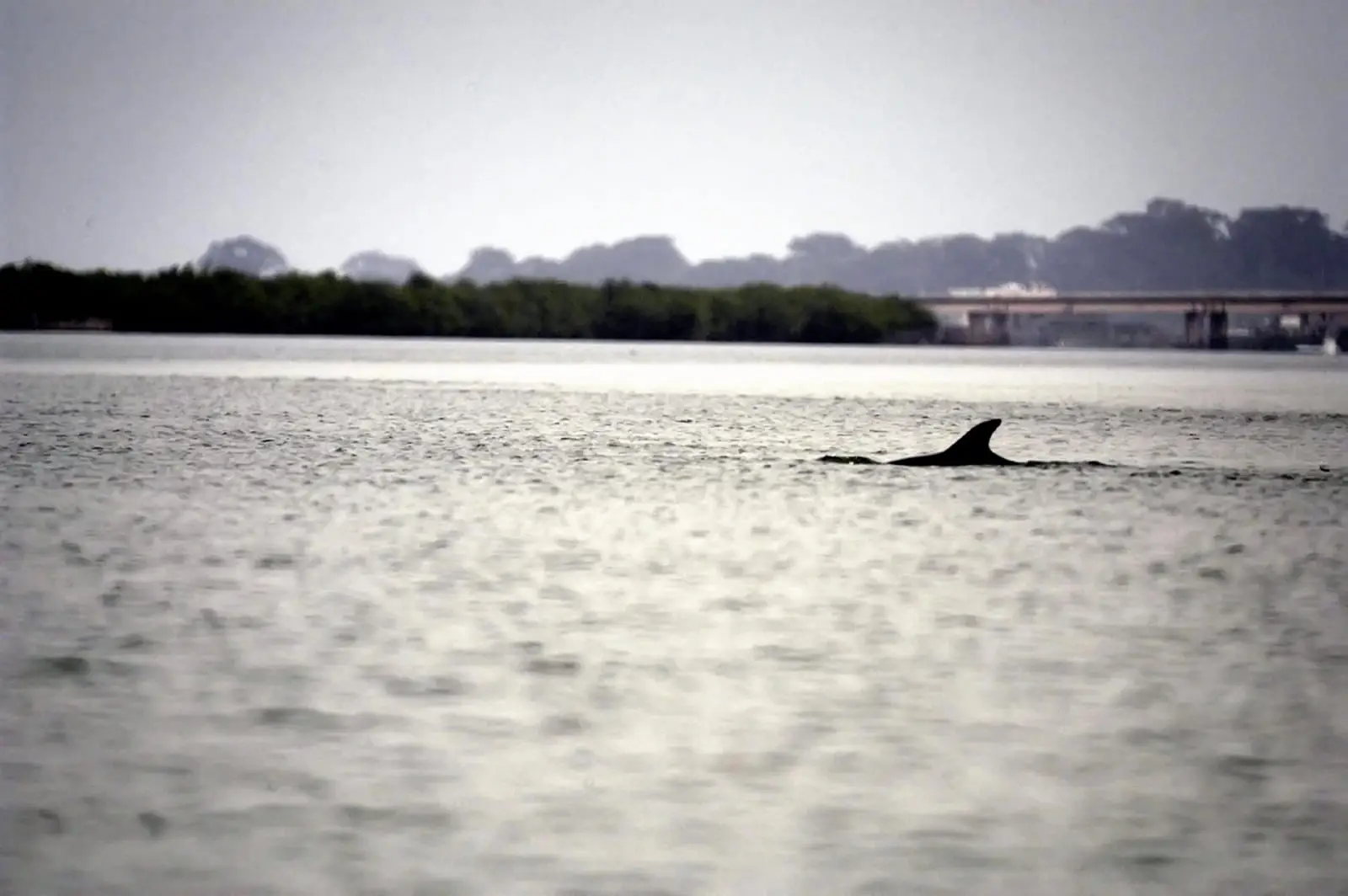
In the intertidal zones, the mangrove oysters (Crassostrea gasar) remain attached to the mangrove roots. The mudflats are also prime feeding areas for wading birds: herons, egrets and other ardeids search for fish, crustaceans and small invertebrates in the shallow waters. In the estuarine waters, one can sometimes observe the discreet passage of the Atlantic humpback dolphin (Sousa teuszii / Enyas).
From May to June in Casamance
The hot season precedes the arrival of the rainy season. Heat and evaporation heighten the contrasts between the different mangrove habitats. The black mangroves (Avicennia germinans) structure the higher mangrove areas and their pneumatophores emerge from the mud to ensure gas exchange. Flowering and the presence of bees also contribute to the ecological richness of this ecosystem, where the renowned mangrove honey is notably produced.
It is also an important period for the traditional activities linked to the mangrove's resources. The harvesting of mangrove oysters (Crassostrea gasar) is in particular a major traditional activity of the women of Casamance. Beneath the roots, shrimp (Penaeus notialis), crabs, small fish and juveniles make use of the calm, food-rich areas.
The Niamone-Kalounayes surveys show a strong presence of estuarine fish and many juvenile individuals: the mangrove truly functions as a natural nursery for fishery resources.
The assemblages include in particular the bonga shad (Ethmalosa fimbriata), the mullet (Chelon dumerili), Elops lacerta, the yellowfin mullet (Neonchelon falcipinnis), the sole (Citharichthys stampflii), the fingerfish (Monodactylus sebae), the stingray (Fontitrygon margarita) and the croaker (Pseudotolithus elongatus).
The giant tiger prawn (Penaeus monodon) can also be observed in the Casamance estuary, with an abundance particularly studied between April and June. Its presence in the estuary nonetheless remains atypical compared with the pink shrimp Penaeus notialis.
On the banks, crabs and molluscs continue their cycle while waterbirds take advantage of the abundance of prey in the mudflats. As the first rains approach, the changes in temperature, salinity and water level begin gradually to alter the distribution of the fauna.
From July to October in Casamance
The rainy season profoundly transforms the bolongs. The rains bring fresh water and change the salinity of the estuary, which directly influences the distribution of fish and the dynamics of the vegetation. In Casamance, the return of the rains accompanies the regeneration of several mangrove sectors, notably through the reproduction of Rhizophora and Avicennia.
It is also the emblematic period of the mangrove propagules. The young Rhizophora plants develop directly on the tree before detaching as long propagules. In Lower Casamance, their collection and planting to restore the mangroves are traditionally carried out during the rainy season, with particularly active operations from July to October.
The mangrove then fully plays its role as an aquatic nursery. The Niamone-Kalounayes surveys showed that juveniles account for around 70% of the fish caught. The species with a strong estuarine affinity include in particular the blackchin tilapia (Sarotherodon melanotheron), the guinean tilapia (Coptodon guineensis), the bonga shad (Ethmalosa fimbriata), the mullets, the sea catfish (Carlarius spp.), the Elops and various croakers.
September is a particularly remarkable moment for fish biodiversity: in the Niamone-Kalounayes study, it is the month with the highest abundance and the highest biomass, with 26 species recorded. July and October are also among the months of high species richness, with 25 species each.
In the mudflats and channels, fiddler crabs, mudskippers, shrimp and molluscs continue to exploit the intertidal zones. The mangrove oysters (Crassostrea gasar) also experience an important recruitment period: near the ocean, spat settlement was observed from March to October, peaking in July; further upstream, the drop in salinity at the end of the rainy season, from August to November, can trigger spawning and the settling of young oysters.
When the rains decrease in October, the mangrove gradually begins to return to dry-season conditions. The cycle then begins again, between the growth of the mangroves, the renewal of the aquatic assemblages and the seasonal movements of the fauna.
🌿 The mangrove, the mangrove trees and their inhabitants in Casamance, Senegal
The mangrove of Casamance, Senegal forms a unique ecosystem at the interface between land and sea. Its network of bolongs, mudflats and channels is mainly composed of mangrove trees, perfectly adapted to brackish waters and variations in salinity. A true natural barrier against erosion, the mangrove also contributes to carbon storage and is an essential area for the reproduction, growth and feeding of many species of fish, crustaceans, molluscs, birds and reptiles.
- The red mangrove (Rhizophora racemosa), recognisable by its impressive stilt roots that stabilise the banks and provide many refuges for aquatic wildlife.
- The black mangrove (Avicennia germinans, syn. Avicennia africana), adapted to muddy, salty soils thanks to its pneumatophores, small roots that emerge from the mud to allow gas exchange.
- The white mangrove (Laguncularia racemosa), present in certain sectors of the West African mangrove and adapted to environments subject to variations in salinity.
- The mangrove oysters (Crassostrea gasar), which attach in particular to the submerged roots and are an important traditional resource for the people of Casamance.
- Shrimp (Penaeus notialis / Sipax): the southern pink shrimp uses estuaries and mangroves at different stages of its life cycle, shuttling between bolongs and the sea.
- The fiddler crabs (Uca tangeri / Ekalal), particularly visible on the mudflats exposed at low tide, where the males wave their oversized claw.
- The mudskippers (Periophthalmus barbarus), amphibious fish able to move across the mud and perfectly adapted to life in the intertidal zones.
The mangrove is also a natural nursery for many species of fish. The mangrove roots offer a refuge to young individuals, which can find food and protection there before moving to more open waters. Among the species associated with the estuarine and coastal environments of Casamance are notably:
- The white grouper or thiof (Epinephelus aeneus), a large coastal predator emblematic of Senegalese waters.
- The giant African threadfin or capitaine (Polydactylus quadrifilis), a large predatory fish frequenting estuarine and coastal waters.
- The blackchin tilapia or wass (Sarotherodon melanotheron / Eñil), a tilapia very well adapted to the brackish waters of the estuaries.
- The mullets (family Mugilidae), very common in coastal and estuarine waters.
- The croakers (Pseudotolithus spp.), important demersal fish of West African coastal ecosystems.
- The jacks or trevallies (Caranx spp.), large predatory fish associated with coastal waters and estuaries.
- The bonga shad or cobo (Ethmalosa fimbriata / Eman), a small silvery estuarine fish, a pillar of West African artisanal fishing and often eaten smoked.
The inhabitants of the mangrove of Casamance, Senegal are not, however, limited to aquatic species. The mudflats, banks and vegetation are also essential habitats for a highly diverse birdlife. Herons, egrets, kingfishers, cormorants, pelicans, ospreys and many migratory birds from Europe use the channels, mudflats and mangrove trees to feed, rest or breed. Reptiles may also frequent these environments, notably the Nile monitor (Varanus niloticus) and, in certain areas, the West African crocodile (Crocodylus suchus). In the deepest channels, with a little luck, you may even glimpse the African manatee (Trichechus senegalensis), a rare and vulnerable marine mammal.
The preservation of the mangrove is therefore inseparable from that of all the biodiversity of Casamance. The degradation of the mangrove trees, the overexploitation of wood, hyper-salinisation, changes in water circulation and certain pressures on fishery resources can weaken this entire ecosystem. Protecting the mangrove trees and their habitats helps to preserve the breeding areas of fish and crustaceans, to limit bank erosion, to maintain the quality of estuarine environments and to conserve a natural heritage essential to Senegal. Answers exist: replanting propagules, resting certain bolongs so the oysters can recover, better-regulated fishing — often led by the villages themselves.
The mangrove oysters are enjoyed grilled over a wood fire on our excursions to Essaout, the oyster village, and to Boudédiète, along with shrimp, crab and fish depending on the day's catch.
Discover the mangrove on our excursions
Bolongs by pirogue, mangrove oysters, water birds: the mangrove is discovered on our 11 excursions from Cap Skirring, reserved for guests of Le Papayer Ecolodge.
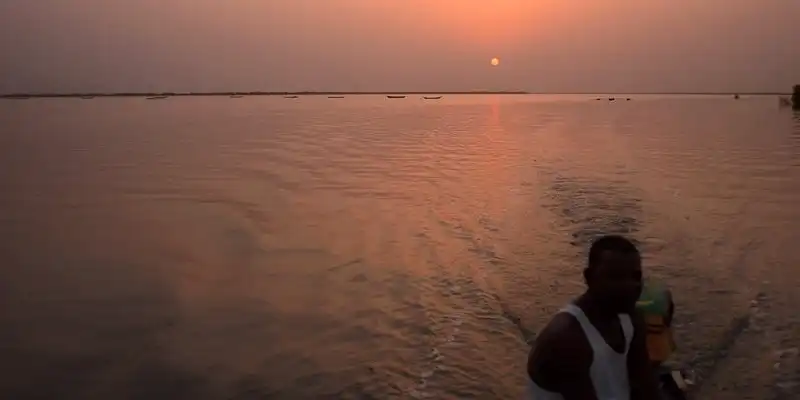 Carabane, the car-free island
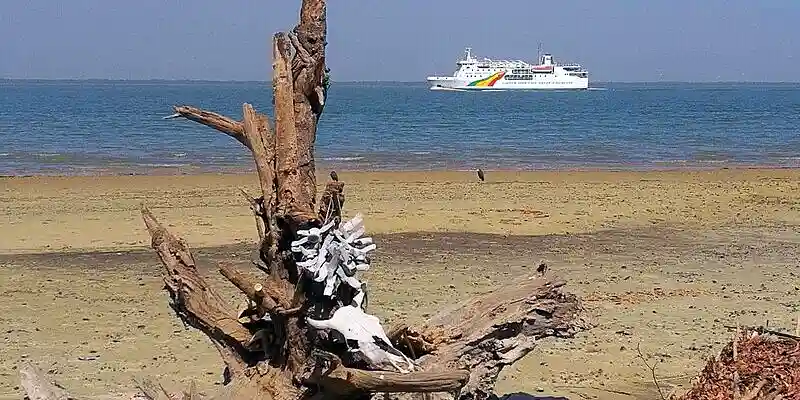 The manatees of Pointe Saint-Georges
 Boudédiète, a wild Guinea-Bissau beach
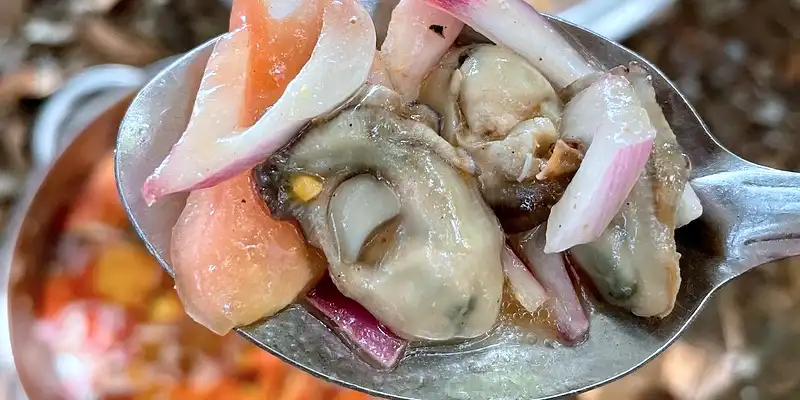 Essaout, the oyster village
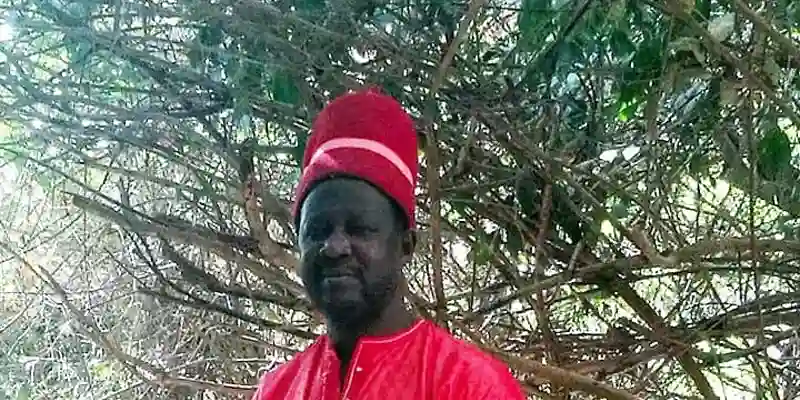 An audience with the King of Oussouye
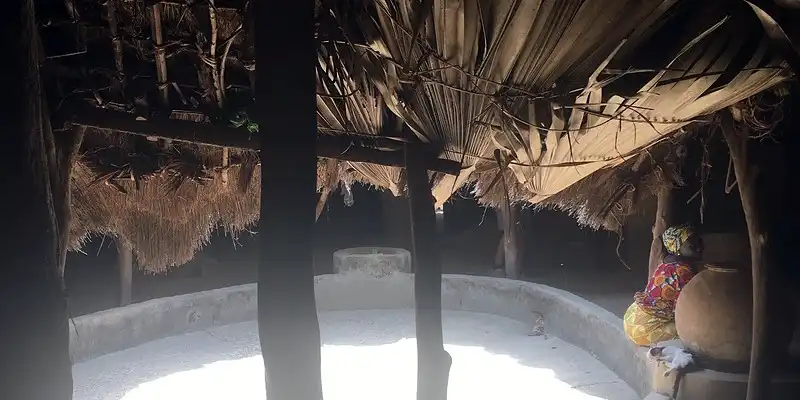 Enampore, Jola architecture
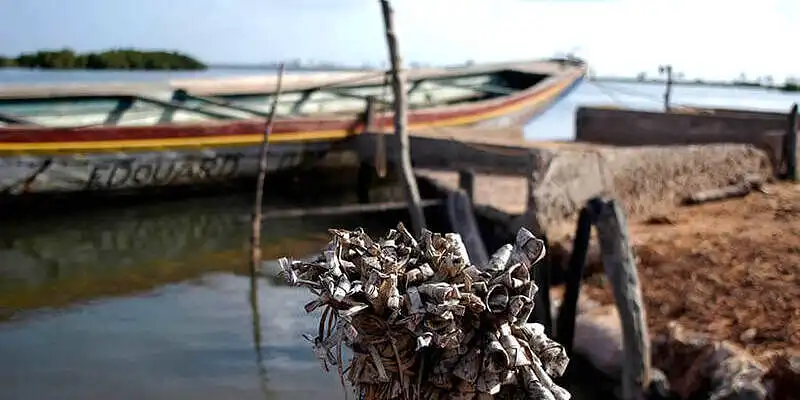 Affiniam and its bolong
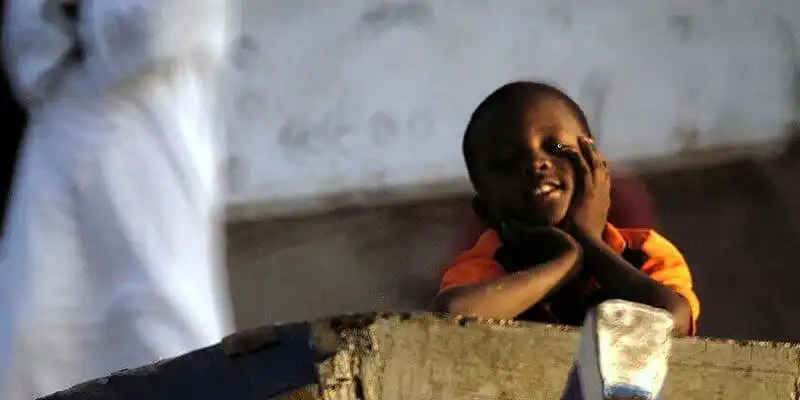 Ziguinchor, capital of the South
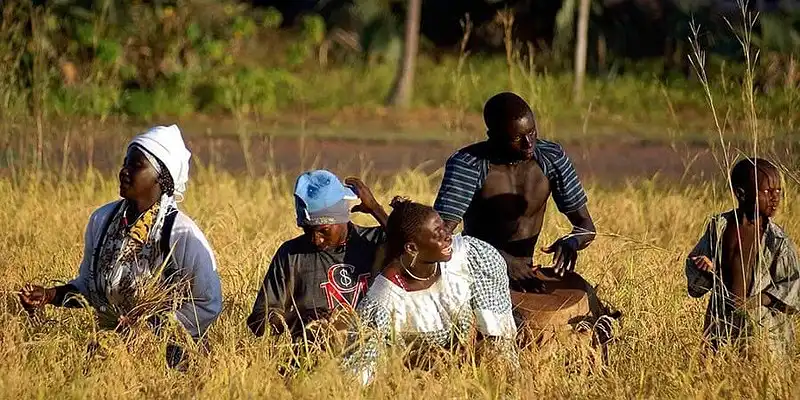 Niomoune and the Karone Islands
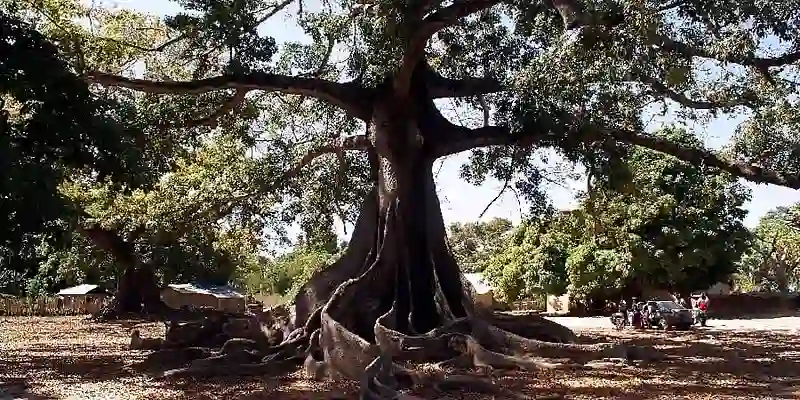 Diembéring and the giant of the savannah
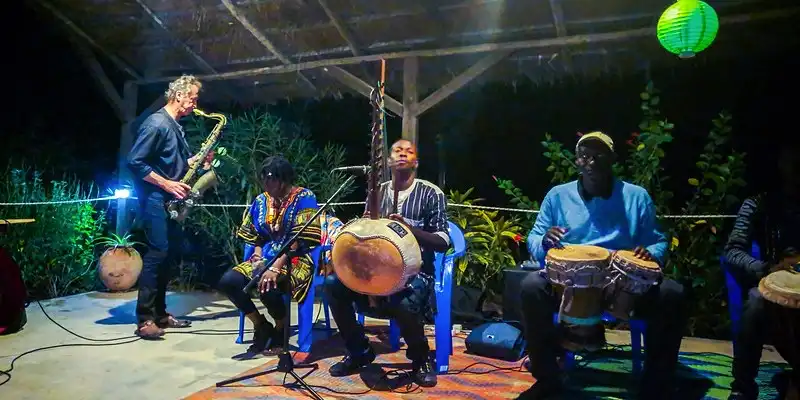 Cap Skirring, from market to nightfall
Going further: our features on Casamance
Understanding the region beyond the excursion — ecology, forests and fishing.
Fishing in Casamance
Artisanal fishing and major centres, the fisheries crisis and marine protected areas.
Forests & wood species
Exceptional flora, protected forests and sustainable management of forest resources.
Ecological protection & biodiversity
Ecosystems, protected areas and conservation strategies for a biodiversity unique to Casamance.
When to visit Casamance?
Climate, sea and wind month by month in Cap Skirring: pick the season that suits you
Discover the Papayer Ecolodge Forest in Casamance
In Cap Skirring, discover the Papayer Ecolodge Forest, its one-hectare seaside grounds and its planting area. Plant a virtual tree or flower and explore our approach to protecting nature and biodiversity in Casamance.
DISCOVER THE PAPAYER ECOLODGE FOREST